
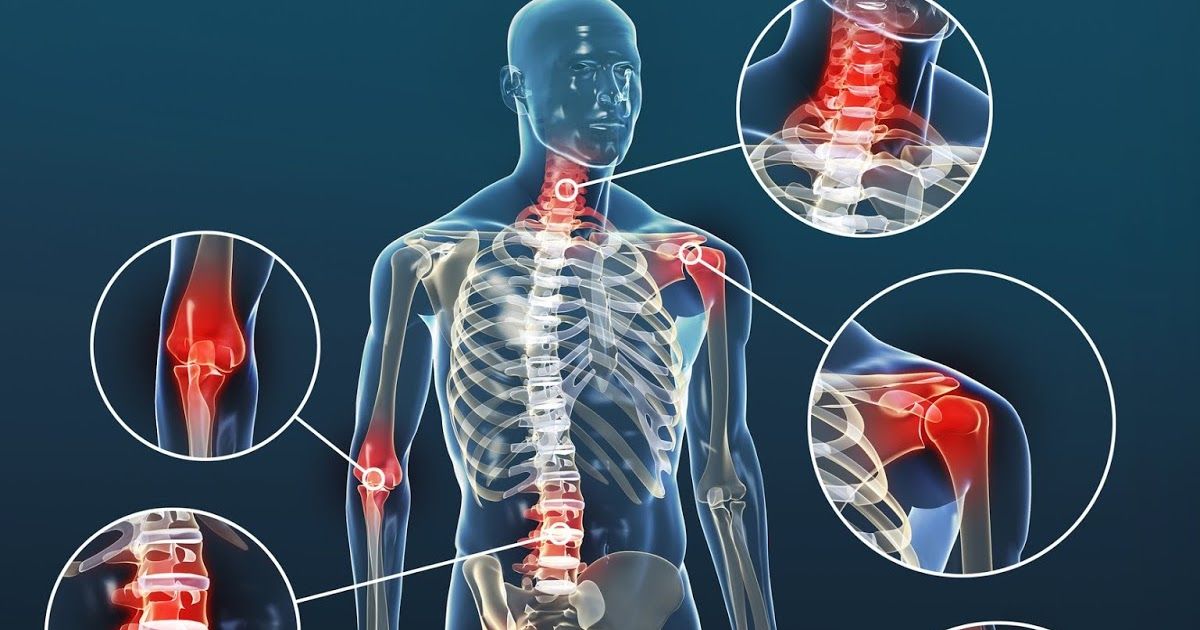
An orthopedician, also known as an orthopedic surgeon or orthopedist, is a medical doctor who specializes in the diagnosis, treatment, and surgical management of musculoskeletal conditions and injuries. The musculoskeletal system includes bones, joints, muscles, tendons, ligaments, and other related structures. Orthopedic surgeons are trained to address a wide range of orthopedic issues, from minor injuries to complex surgical procedures.
Here’s an overview of the role and responsibilities of orthopedicians:
1. Musculoskeletal Conditions: Orthopedic surgeons diagnose and treat various musculoskeletal conditions, including fractures, joint injuries, degenerative diseases (such as osteoarthritis), infections, congenital deformities, and tumors.
2. Surgical Procedures: Orthopedic surgeons perform surgical procedures to repair, reconstruct, or replace damaged musculoskeletal structures. Common surgeries include joint replacement (knee, hip), arthroscopy (minimally invasive procedures for joint problems), spinal surgeries, fracture fixation, and more.
3. Trauma and Fractures: Orthopedic surgeons play a key role in treating traumatic injuries, such as fractures, dislocations, and ligament tears. They aim to restore function and alignment while promoting optimal healing.
4. Sports Medicine: Orthopedic surgeons often work with athletes to manage sports-related injuries, including ligament tears (such as ACL tears), tendon injuries, and overuse injuries.
5. Joint Replacement: Orthopedic surgeons specialize in joint replacement surgeries, such as knee replacement and hip replacement, to relieve pain and improve mobility in individuals with severe joint degeneration.
6. Pediatric Orthopedics: Pediatric orthopedic surgeons specialize in diagnosing and treating musculoskeletal conditions in children, including congenital deformities and growth-related issues.
7. Spinal Disorders: Orthopedic surgeons who focus on spinal disorders diagnose and treat conditions such as herniated discs, spinal stenosis, scoliosis, and other spinal deformities.
8. Rehabilitation and Non-Surgical Treatment: Orthopedicians often recommend non-surgical treatments, such as physical therapy, medications, bracing, and exercise, to help patients manage their conditions and recover without surgery whenever possible.
9. Trauma and Emergency Care: Orthopedic surgeons provide emergency care for severe injuries, including fractures, dislocations, and open fractures that require immediate attention.
10. Research and Education: Some orthopedic surgeons engage in research to advance the field of orthopedics, contributing to the development of new surgical techniques, implants, and treatments. They may also educate medical students, residents, and other healthcare professionals.
Orthopedic care is vital for individuals of all ages who experience musculoskeletal conditions, injuries, or disorders. Orthopedic surgeons use their expertise to improve patients’ quality of life, restore function, alleviate pain, and promote overall musculoskeletal health. If you’re facing musculoskeletal issues, consulting with an orthopedic specialist can provide you with personalized treatment options and guidance.